










The short answer
Sciatica is pain that travels along the sciatic nerve, from the lower back through the buttock and down one leg. It is most often caused by a herniated disc or narrowing in the lower spine that presses on a nerve root. Most cases improve with conservative care such as rehab, chiropractic care and staying active. Loss of bladder or bowel control, or numbness in the groin, is an emergency.
What is sciatica?
Sciatica is not a diagnosis on its own. It describes pain that follows the path of the sciatic nerve, the longest nerve in the body, which runs from the lower spine through the buttock and down the back of each leg.
The pain happens when one of the nerve roots that form the sciatic nerve is pressed or irritated. Finding out what is pressing on the nerve is the key to treating it well.
What causes sciatica?
The most common cause is a herniated or bulging disc in the lower back, where the soft center of a spinal disc pushes out and presses on a nearby nerve root. Other causes include spinal stenosis (narrowing of the spinal canal, more common after age 50), spondylolisthesis (one vertebra slipping forward over another) and tightness of the piriformis muscle deep in the buttock.
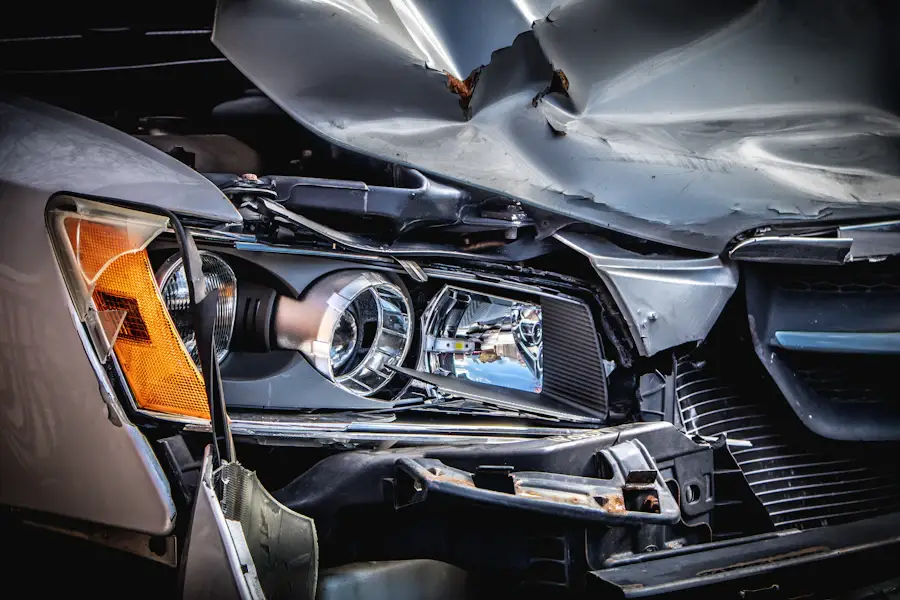
Sciatica can also start after an injury. A car accident, a fall or lifting something heavy with a twisted back can injure a disc and set off nerve pain days or weeks later.
What does sciatica feel like?
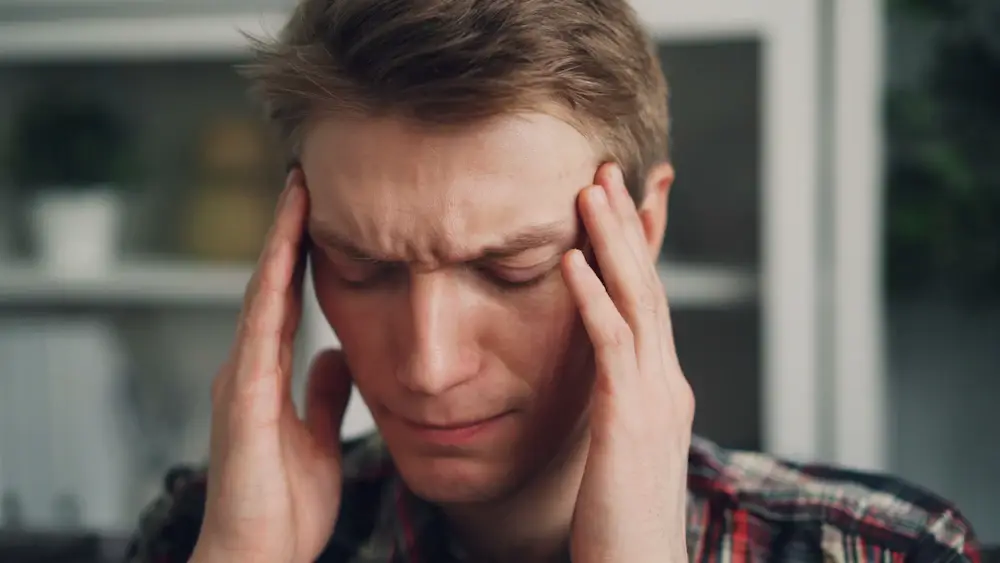
Sciatica usually affects one side. People describe a sharp, burning or electric pain that starts in the lower back or buttock and shoots down the back of the thigh, sometimes into the calf and foot. Numbness, tingling or a pins-and-needles feeling along the same path is common.
The pain often gets worse with long periods of sitting, bending forward, coughing or sneezing. Some people notice weakness in the leg or foot, such as trouble standing on their toes or heels.
When is sciatica an emergency?
Go to the emergency room right away if you have new trouble controlling your bladder or bowels, numbness in the groin or inner thighs (the area that would touch a saddle), or weakness that is getting worse in one or both legs. These can be signs of cauda equina syndrome, a rare condition that needs urgent surgery.
Also get prompt care if the pain follows a serious fall or crash, or comes with fever or unexplained weight loss.
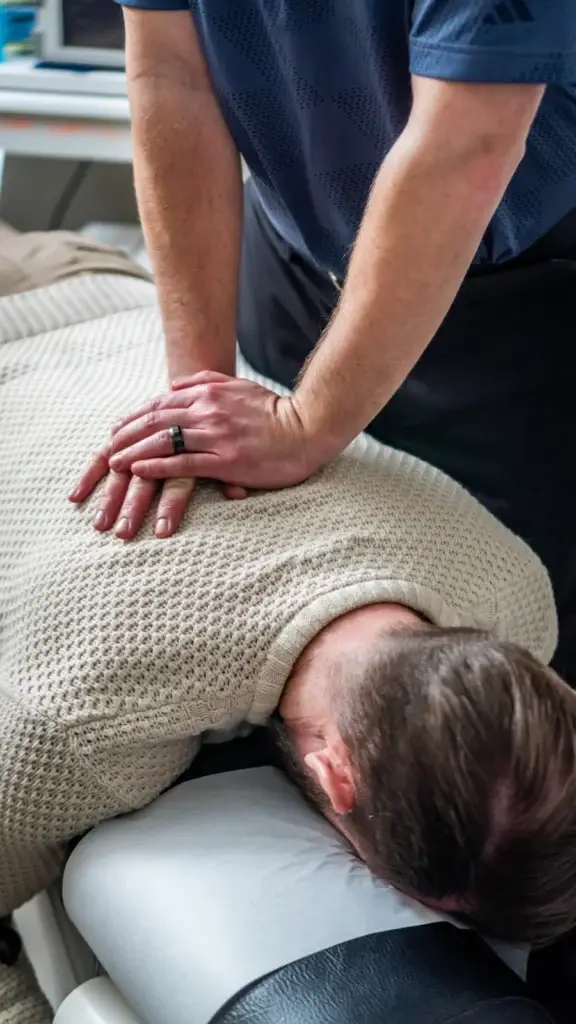
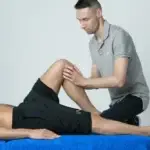
Spinal adjustments and targeted exercise help take pressure off an irritated nerve root.
How is sciatica diagnosed?
Diagnosis starts with a history and a physical exam, including strength, reflex and sensation testing and the straight-leg raise test. These help pinpoint which nerve root is involved.
Imaging is not needed for most new cases. An MRI may be ordered if symptoms are severe, if there is weakness, if the pain followed an injury, or if it has not improved with care.
What treatments work for sciatica?
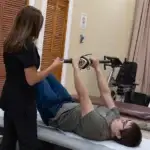
Most people get better without surgery. Rehab teaches exercises that take pressure off the nerve, strengthen the core and improve flexibility. Chiropractic care uses spinal adjustments and mobilization to restore motion in stiff segments of the lower back. Your provider will talk with you about other options, including a referral to a specialist, if they're right for you.
If pain does not improve with conservative care, your provider may refer you for imaging or a surgical opinion. Surgery is usually considered only for severe or worsening weakness, or pain that does not respond to other treatment.
What can I do at home for sciatica?
Keep moving. Short, gentle walks are better than bed rest, which tends to slow recovery. Avoid sitting for long stretches; stand up and change position every 30 to 45 minutes.
Ice or heat for 15 to 20 minutes can ease pain. Sleep on your side with a pillow between your knees, or on your back with a pillow under your knees. Stop any exercise that sends pain further down your leg, and ask your provider which stretches are right for you.
Learn more: Chiropractic care · Our Tallahassee clinic
This article is general information, not medical or legal advice. Talk to a licensed provider about your situation.